A Guide to Wildlife Control: Key Strategies and Dead Animal Removal Services
Wildlife control encompasses approaches intended to regulate animal populations and maintain secure surroundings. Being aware of the influence of frequent animal intruders is vital for residents. Effective prevention methods can greatly reduce the risk of wildlife intrusions. Additionally, the timely removal of dead animals is critical for health and safety. However, many remain unaware of the key elements involved in effective wildlife control and the importance of professional services. What actions should be pursued to secure residences and surrounding communities?
What Is Wildlife Management and Why Does It Matter?
Wildlife control includes a range of methods focused on controlling animal populations and how they interact with human settings. This practice is vital for balancing ecological systems and minimizing conflicts between wildlife and people. Successful wildlife control aids in preserving public health by mitigating risks associated with zoonotic diseases, which have the potential to pass from animals to humans.
Additionally, it protects crop and livestock welfare by managing wildlife that endangers crops and farm animals. By utilizing humane methods, wildlife control fosters mutual cohabitation, confirming that the interests of both humans and animals are given equal attention.
Additionally, it works to maintain biodiversity by addressing non-native species that can disrupt native ecosystems. In summary, animal control is vital not only for improving safety and minimizing property damage but also for promoting a sustainable interaction between people and the natural world.
How Ordinary Wildlife Trespassers Destroy Your Home
Typical wildlife pests present serious threats to residential properties, resulting in structural harm that can undermine a home's stability. They can also contaminate insulation, creating health hazards for occupants. Moreover, the existence of these intruders creates significant electrical safety issues, as they may chew through wires, increasing the risk of fires.
Risks of Structural Damage
The presence of wildlife intruders can lead to significant structural damage in homes. Pests like raccoons, squirrels, and rodents frequently take advantage of gaps in the outer structure of buildings, establishing openings that undermine the integrity of the structure. Raccoons, for instance, may strip away roof materials and harm insulation, while squirrels may gnaw on electrical wiring and wooden beams, heightening the potential for fire hazards. Furthermore, burrowing animals can undermine foundations by excavating burrows, amplifying the risk of foundation failure. As time passes, these openings can permit moisture infiltration, resulting in mold development and wood decay. Residents ought to be watchful for indicators of animal intrusion to prevent costly repairs and guarantee the safety and longevity of their properties. Swift action is necessary to address these threats.
Insulation Contamination Issues
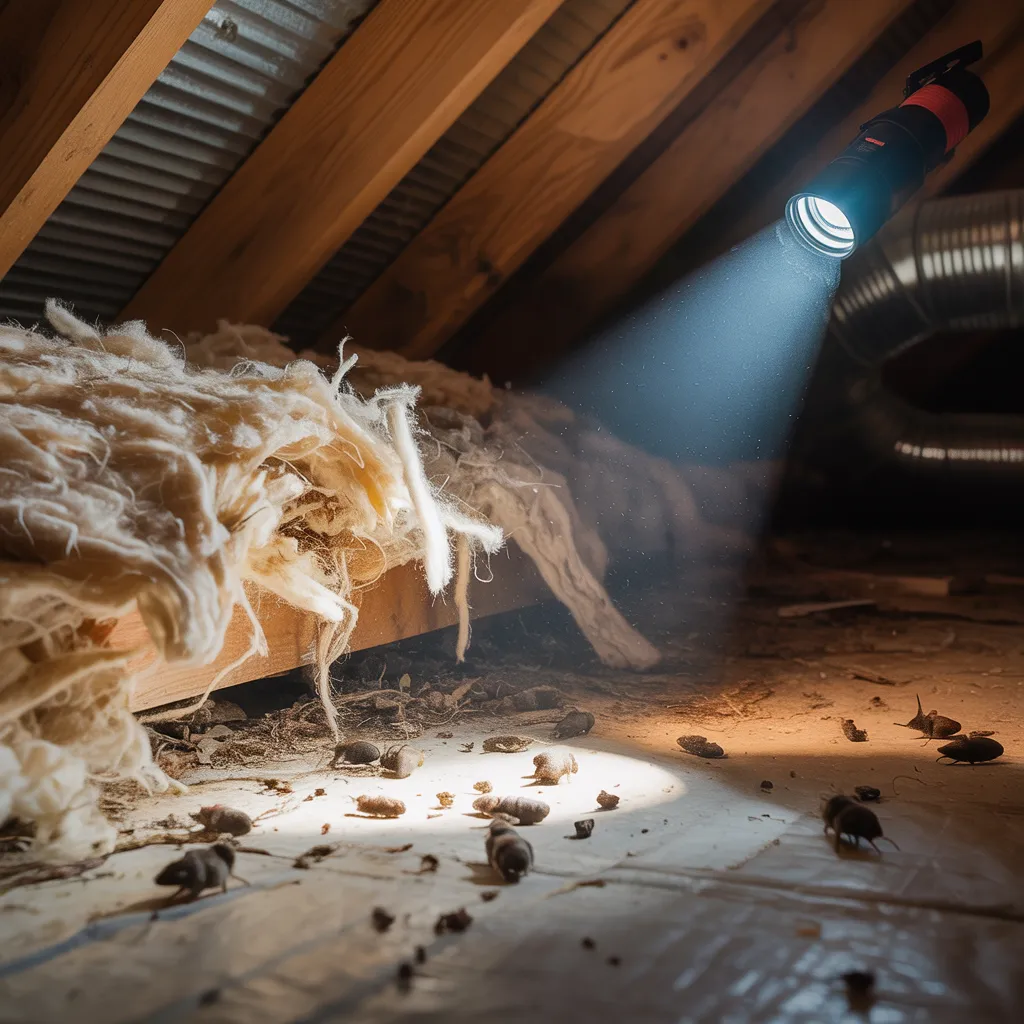
Insulation serves as an essential barrier against temperature fluctuations, but it can readily be damaged by intruding animals. Creatures such as rodents and wild animals can rip apart insulation materials, creating pathways that allow for further entry into home structures. Their nesting behaviors frequently lead to contaminating the insulation with feces, urine, and various debris, causing significant contamination. This not only diminishes the insulation's effectiveness but also poses health risks due to potential exposure to harmful pathogens. Moreover, rotting animal carcasses can release offensive smells and invite more pests. Property owners should tackle insulation contamination quickly to preserve both energy performance and indoor air quality, emphasizing the importance of effective wildlife control and remediation measures.
Electrical Hazard Concerns
How do wildlife intruders contribute to electrical hazards in homes? Common wildlife, such as rodents and birds, can cause significant damage to electrical systems. Rodents, particularly, are known for gnawing on wires, which can lead to exposed conductors and potential short circuits. This creates not only a fire hazard but also elevates the risk of electrical shock for residents. Additionally, nesting materials from birds can obstruct ventilation systems or accumulate near electrical panels, thereby heightening fire hazards. Beyond this, wildlife can bring moisture into the home through burrows or droppings, fostering conditions that promote corrosion and electrical failure. Managing these dangers through comprehensive wildlife control and consistent inspections is vital to ensuring a safe and secure living space.
How to Detect Evidence of Wildlife in Your Area
Detecting signs of animal presence is critical for effective control strategies. Common indicators include footprints, recognizable sounds, and strange smells that can suggest the encroachment of animals. Detecting these signals in a timely manner can assist in preventing harm to your property.
Frequent Animal Tracks in the Wild
Many outdoor enthusiasts find that identifying common animal tracks is crucial for understanding local ecosystems. Tracks vary by species, featuring unique shapes and dimensions. To illustrate this point, deer tracks are heart-shaped, while the prints of raccoons resemble a human hand with extended fingers. The tracks of canines, including coyotes, present a notably oval shape accompanied by visible claw impressions. copyrightining the distance between prints can offer valuable hints about the creature's size and pace. Moreover, recognizing claw patterns can aid in telling various species apart; for instance, a bobcat's tracks show a lack of visible claws, unlike a dog's. Grasping these nuances supports wildlife observation and conservation initiatives, deepening one's appreciation of the natural world.

Sounds and Smells
Identifying wildlife activity often extends beyond observable indicators like tracks; sounds and odors play crucial roles as well. Sounds such as movement in the shrubbery, scratching in walls, or nighttime chattering can indicate animals seeking shelter or food. Different species emit unique noises, assisting in pinpointing the probable species responsible. Smells also offer important indicators. A get started musty smell may suggest a hidden animal nest, while a pungent scent could reveal a deceased animal in the vicinity. Detecting these sensory clues empowers homeowners to take prompt action. By keeping watchful to both sounds and smells, individuals can accurately evaluate wildlife presence and begin suitable management steps before the issue intensifies.
Wildlife Management: Powerful Approaches for Preventing Animal Invasions
Stopping wildlife intrusions demands a well-planned strategy that pairs familiarity with animal tendencies alongside reliable prevention techniques. Residents ought to start by pinpointing likely entry spots, such as cracks in walls, upper-level spaces, or lower-level areas, and seal them to eliminate access. Ongoing property management, including removing clutter and properly storing garbage, can discourage wildlife in search of nourishment.
Moreover, using nature-based deterrents like motion-activated lighting or sound systems can ward off uninvited creatures. Landscaping decisions also contribute; incorporating native plants and keeping a well-maintained yard can minimize appeal for different species. Raising awareness among residents about local wildlife tendencies strengthens awareness and promotes proactive efforts.
The Significance of Professional Wildlife Control Services
When wildlife intrusions exceed the capacity of homeowners to manage, expert wildlife control services emerge as a critical resource. These expert services deliver proficiency in recognizing and managing a broad spectrum of wildlife problems, guaranteeing both safety and compliance with local regulations. Skilled specialists employ humane capture methods and exclusion strategies to minimize the impact on local ecosystems while effectively resolving conflicts with wildlife.
Additionally, these companies often provide thorough assessments of residences to pinpoint potential entry points that may attract future intrusions. By employing cutting-edge tools and methods, they can resolve the root sources of wildlife problems, rather than merely handling immediate concerns. This strategic approach not only protects homes but also supports coexistence with local wildlife. Ultimately, engaging professional wildlife control services assures that homeowners can address intricate wildlife problems with safety and efficiency, reducing risks to their homes and personal well-being.
Why Dead Animal Removal Matters
Having dead animals present on a property can present serious health hazards and attract unwanted pests. Decomposing carcasses release harmful bacteria and pathogens, which can contaminate soil and water sources, endangering the health of humans and animals. Additionally, the stench arising from a rotting body can disrupt the quality of life for nearby residents and produce an inhospitable environment.
In addition, dead animals can function as a source of food for opportunistic feeders, including rodents and other insects, contributing to further infestations. This can grow into larger problems, demanding more comprehensive pest control solutions. The timely removal of dead animals is critical to mitigate these risks and bring safety back to the surrounding area.
Professional dead animal removal services are equipped to handle these situations efficiently, ensuring proper disposal and sanitation. By addressing the issue swiftly, homeowners can safeguard their well-being, protect the integrity of surrounding ecosystems, and copyright the condition of their environment.
What to Look for in a Wildlife Control Service?
Professional wildlife control services are essential for preserving a safe and healthy environment, particularly following concerns like dead animal removal. There are several important factors to evaluate when choosing a wildlife control service. To begin, confirm that the company holds proper licensing and insurance, because this establishes their authenticity and provides protection from liability. Experience in the field is essential; an organization with an established record of achievement is more capable of managing a wide range of wildlife problems effectively.
In addition, inquire about their methods for animal control and prevention, ensuring they practice humane and environmentally friendly procedures. Customer reviews and testimonials can give you a better understanding of the service's trustworthiness and performance.
Finally, a reliable provider should deliver a detailed assessment and continued monitoring to prevent future wildlife incursions. By considering these criteria, individuals can choose a wildlife management provider that emphasizes efficiency, safety, and responsible methods.
Frequently Asked Questions
What Are the Legal Requirements for Wildlife Control in My Region?
Laws and regulations for wildlife control vary by location, often requiring permits for trapping and relocation. Regional wildlife authorities offer guidance, ensuring humane treatment and conformity with wildlife conservation laws to safeguard animals and their ecosystems.
What Are the Safe Steps for Handling a Dead Animal on My Property?
To safely handle a dead animal, it is recommended to wear gloves, employ a shovel for the removal process, seal the remains in two bags, and dispose of it according to local regulations, ensuring proper sanitation and minimizing health risks.
What Are the Expenses Involved in Wildlife Control Services?
The pricing for wildlife control services fluctuates considerably, typically ranging from $100 to $1,500. Factors influencing pricing include the species of wildlife involved, extent of infestation, and necessary removal methods or preventative measures employed.
Will Wildlife Control Stop Future Infestations for Good?
Professional wildlife management significantly lowers the chance of subsequent pest issues through preventive measures, but it cannot guarantee total elimination. Regular monitoring and routine maintenance are critical to reduce potential threats and resolve any concerns as they arise.
What Types of Animals Require Specialized Removal Techniques?
Some animals, among them raccoons, bats, and snakes, necessitate specialized handling methods because of their distinct behaviors and possible health hazards. Qualified professionals must use particular approaches to provide safe and responsible management throughout the removal procedure.